For decades, mental health treatment has focused primarily on brain chemistry. But emerging research suggests that inflammation in the body and brain may play a major role in conditions like depression, Alzheimer’s disease, autism, and cognitive decline.
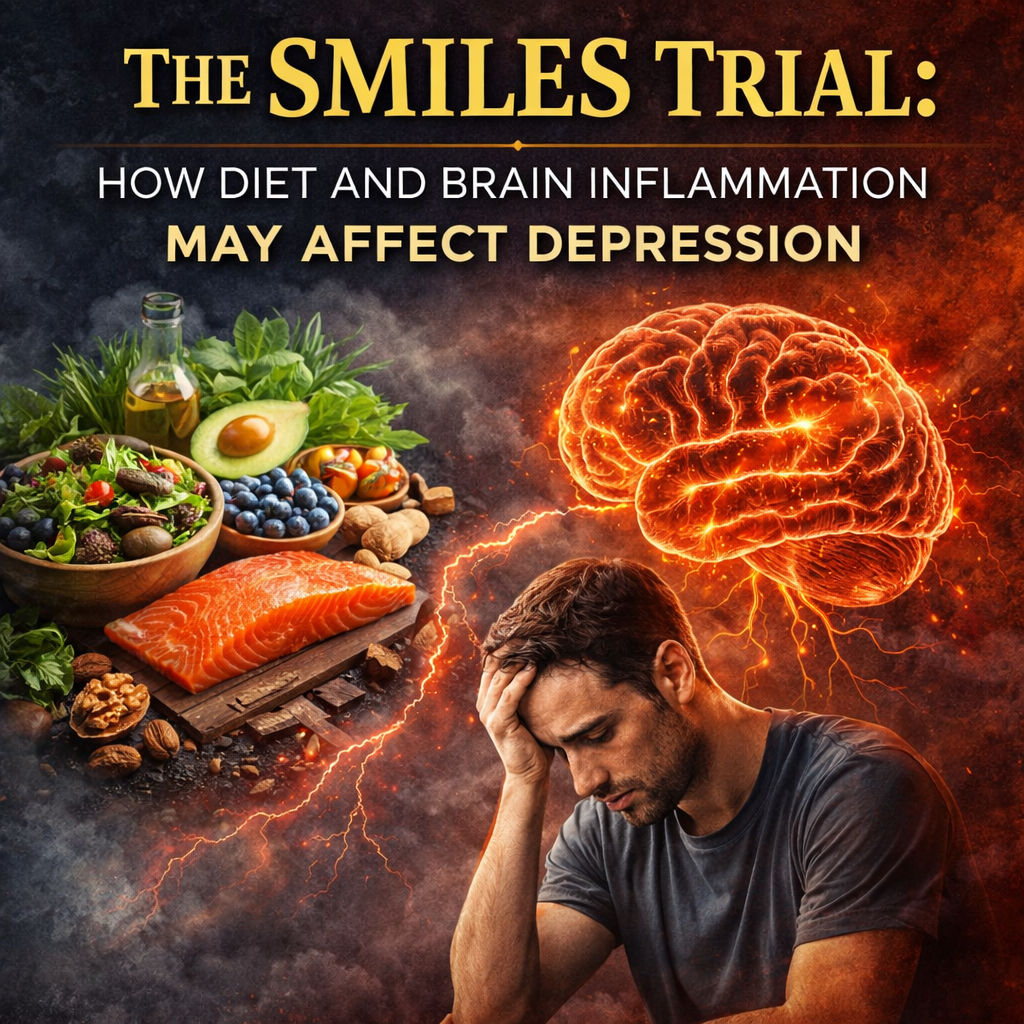
One of the most influential studies exploring this connection is known as the SMILES Trial.
Published in 2017, this groundbreaking study asked a powerful question:
Can changing what we eat significantly improve symptoms of depression?
The results helped launch an entirely new field of research called nutritional psychiatry and opened the door to understanding how diet, inflammation, and the gut microbiome affect mental health.
What Is the SMILES Trial?
The SMILES Trial stands for Supporting the Modification of Lifestyle in Lowered Emotional States.
It was the first randomized controlled trial designed to test whether improving diet could treat depression.
Researchers followed 67 adults with moderate to severe depression for 12 weeks.
Participants were divided into two groups:
Diet Intervention Group
Participants received guidance from a nutrition professional to follow a Mediterranean-style anti-inflammatory diet.
Social Support Control Group
Participants met regularly with researchers for supportive conversations but did not change their diet.
Many participants were already receiving traditional treatments such as therapy or antidepressant medication. The study examined whether diet could work as an additional treatment strategy.
The Results: Diet Significantly Reduced Depression Symptoms
By the end of the 12-week study, the group that improved their diet showed substantially greater improvements in depression symptoms.
One of the most remarkable findings:
About 32% of the diet group experienced remission from depression.
In comparison:
Only about 8% of the control group achieved remission.
For a relatively simple lifestyle change, the results were powerful and caught the attention of researchers around the world.
The SMILES trial provided the first strong clinical evidence that diet quality can directly influence mental health outcomes.
The Anti-Inflammatory Diet Used in the Study
Participants were encouraged to adopt a Mediterranean-style diet, widely recognized for reducing inflammation and supporting overall health.
Foods emphasized in the study included:
- Vegetables and leafy greens
• Fruits
• Whole grains
• Beans and legumes
• Nuts and seeds
• Olive oil
• Fish and lean proteins
Foods reduced included:
- Processed foods
• Refined sugar
• Fast food
• Processed meats
• Highly refined carbohydrates
This type of eating pattern is rich in fiber, antioxidants, healthy fats, and micronutrients that support immune function and brain health.
The Role of Inflammation in Mental Health
Researchers are increasingly exploring how chronic inflammation may contribute to mental health disorders.
Inflammation produces immune signaling molecules called cytokines. When these remain elevated for long periods, they may influence the brain in several ways:
- Disrupt neurotransmitter systems
• Affect mood regulation
• Alter brain cell communication
• Increase oxidative stress
Higher levels of inflammatory markers have been observed in many people with:
- Depression
• Alzheimer’s disease
• Bipolar disorder
• Cognitive decline
• Certain cases of autism
While inflammation is not the sole cause of these conditions, it appears to be an important biological contributor.
The Gut-Brain Axis: Why Diet Matters
Another key discovery in modern neuroscience is the gut-brain axis, a communication network connecting the digestive system and the brain.
The gut contains trillions of bacteria that influence immune function, inflammation, and even neurotransmitter production.
Diet plays a major role in shaping the microbiome.
Whole, fiber-rich foods promote beneficial bacteria, while highly processed foods can disrupt microbial balance and increase inflammatory activity.
Many researchers now believe that improving gut health may help regulate inflammation and influence mental health.
The Rise of Nutritional Psychiatry
The SMILES Trial helped establish the growing field of nutritional psychiatry, which studies how diet influences brain function and emotional well-being.
This research does not suggest that diet replaces therapy or medication. Instead, it shows that mental health is deeply connected to the body’s overall biological systems.
Nutrition, exercise, sleep, stress management, and social connection all interact with brain health.
In this way, improving diet may become an important complementary strategy in mental health treatment.
What the SMILES Trial Means for Brain Health
The SMILES Trial represents an important shift in how scientists understand the brain.
Rather than viewing mental disorders purely through the lens of brain chemistry, researchers now recognize that metabolism, inflammation, immune activity, and gut health all influence mental well-being.
The emerging science suggests something powerful:
What we eat may play a meaningful role in how we feel, think, and function mentally.
As research continues, nutrition may become an increasingly important tool for supporting both mental health and long-term brain health.
Coming Next
In an upcoming podcast episode, we’ll explore:
- How inflammation affects the brain
• The gut-brain connection in depression
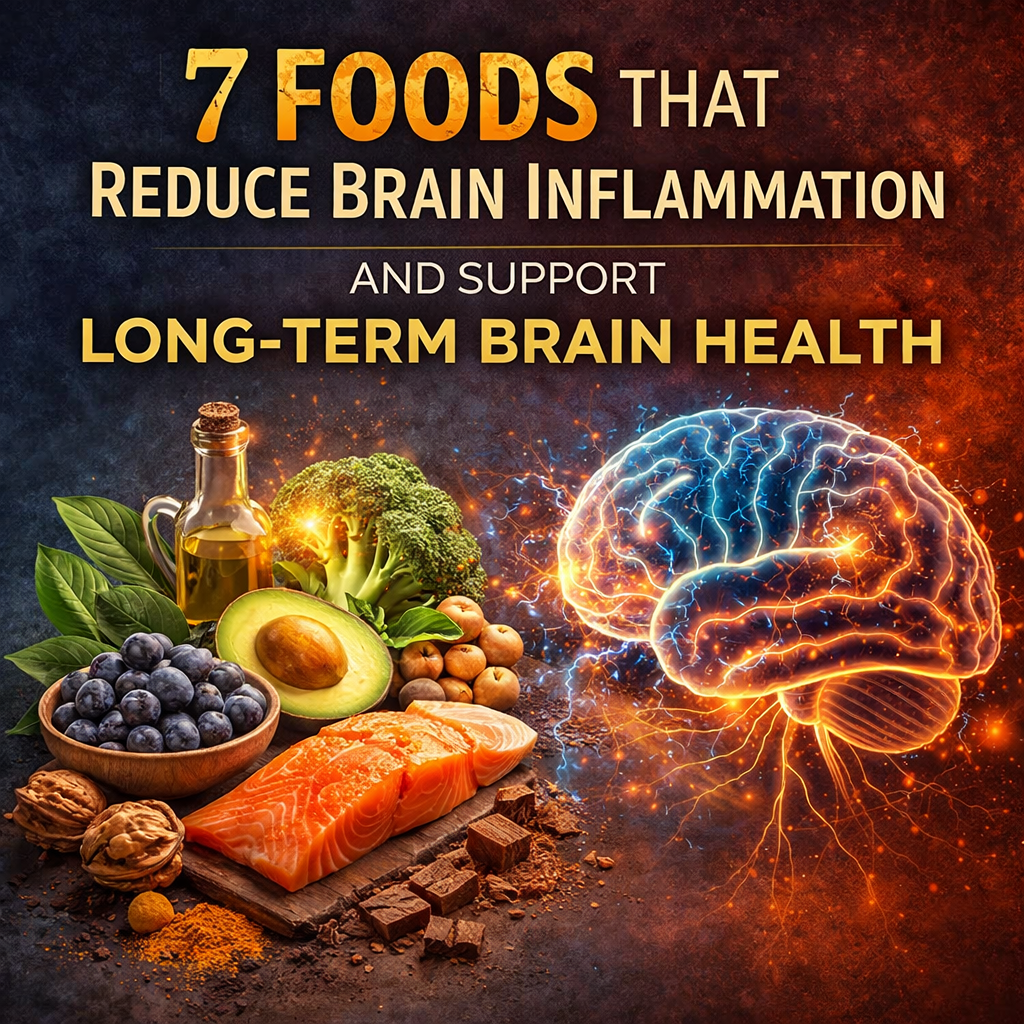
• Foods that may help reduce neuroinflammation
• What current research says about diet and Alzheimer’s disease
Stay tuned as we continue exploring the science behind nutrition and brain health.